AGP Executive Report
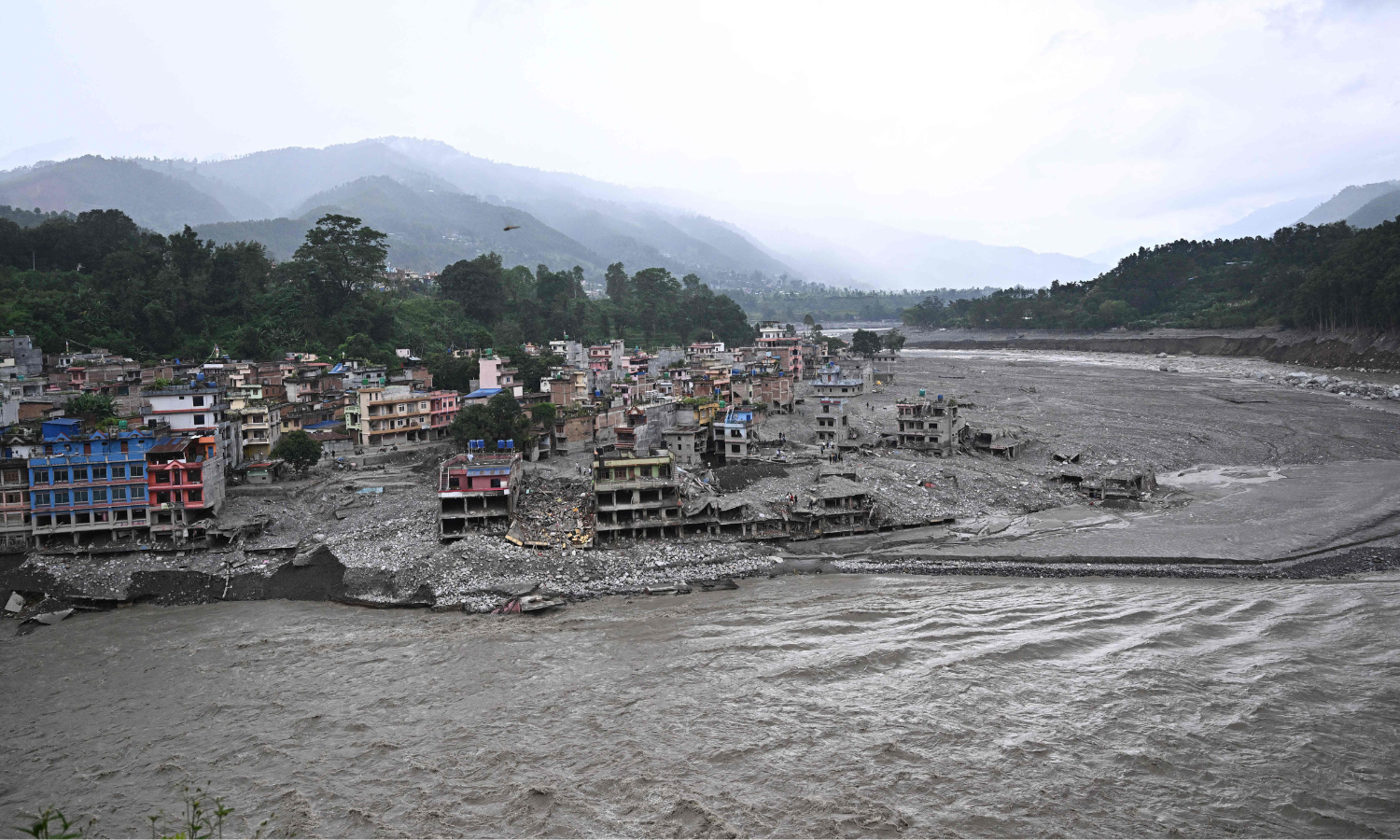
Last update: 7 hours agoDisaster Response & Forensics: Nepal’s flood aftermath keeps turning into a science-and-logistics race, with Nepal Police reporting DNA profiling work for Bhotekoshi victims and relatives, while India continues sending relief and specialised tunnel/mud rescue gear plus DNA kits and experts via multiple IAF flights. Public Health & Safety Gaps: A tragic case from Itahari shows how delays in intensive care access can be fatal after a cobra bite, underlining weak referral capacity during emergencies. Climate Risk & Early Warning: Scientists say the Lhende Khola disaster was triggered by a massive landslide, not an earthquake, and broader commentary argues Nepal must rethink development in hazard-prone corridors with better monitoring and corridor-level risk planning. Local Tech for Recovery: WorldLink launched “Biz24” managed WiFi for SMEs, aiming for stable connectivity for CCTV and business operations—an example of practical tech support during recovery. Agriculture Innovation: In Dang, farmers are shifting toward vermicompost to restore soil fertility after chemical fertiliser overuse. Global Climate Context: Reports highlight August as the joint-hottest month on record, linking extreme weather to rising cryospheric hazards across the Himalaya. Child Protection Online: Advocates warn that flood images and videos are harming children’s mental health, pushing for stronger digital safeguards.
Note: AI summary from news headlines; neutral sources weighted more to help reduce bias in the result. Feedback is welcome. Please let us know if you have any comments or suggestions about the AGP Executive Report.

 Perspectify News